RPCC


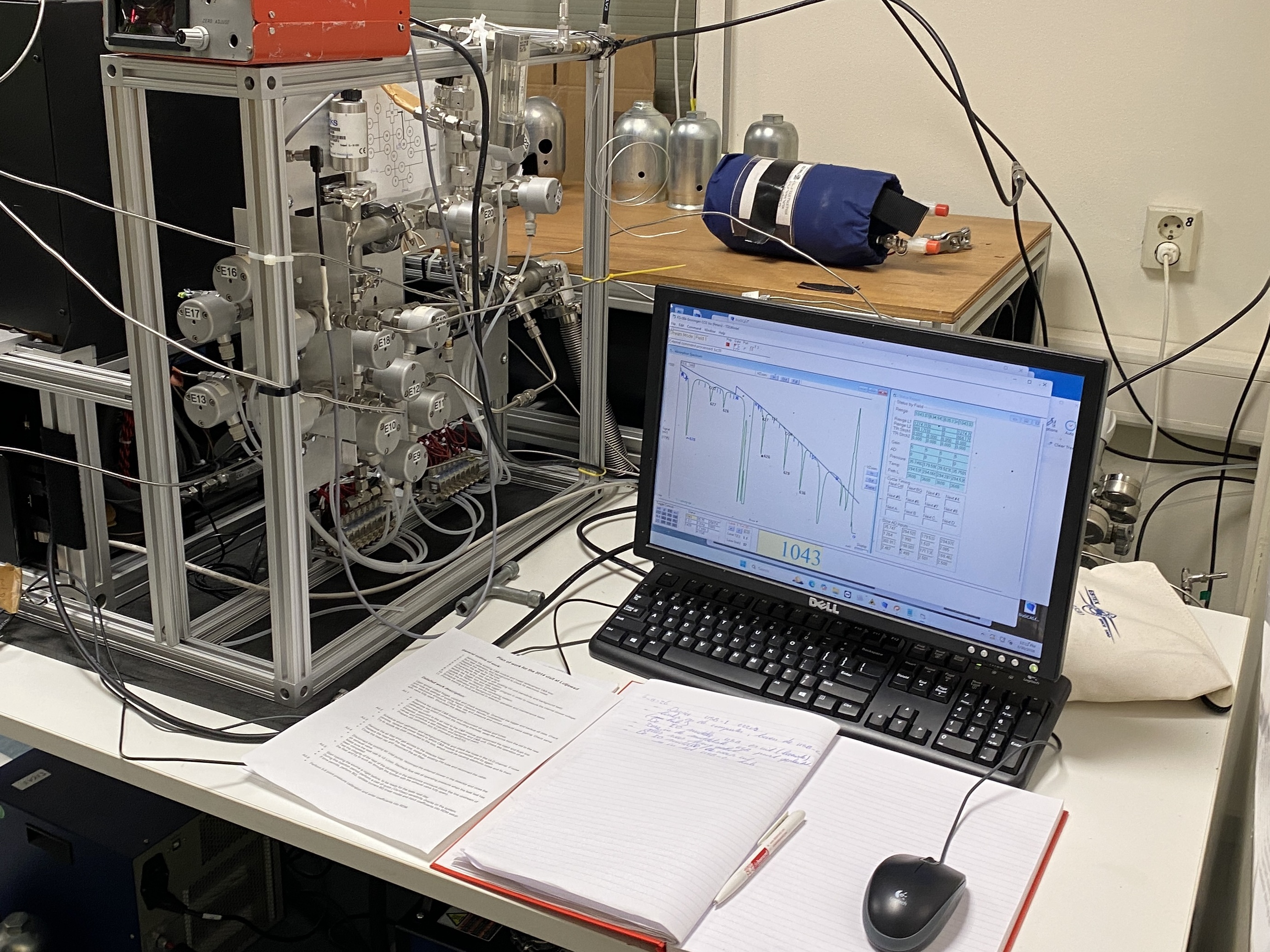 RPCC/NN, established in 2026, is a open an independent group of scientists in the North of the Netherlands, engaged in regional climate change research and familiar with or directly involved in IPCC. Its purpose is to contribute to an accelerated regional response to the climate change urgency. To achieve this, RPCC/NN answers questions from regional society about climate change, adaptation and mitigation. The panel also publishes articles and policy advice and gives guest lectures and workshops. Furthermore, wthe panel is a sounding board for IPCC, to close the information and communication loop within the science community.
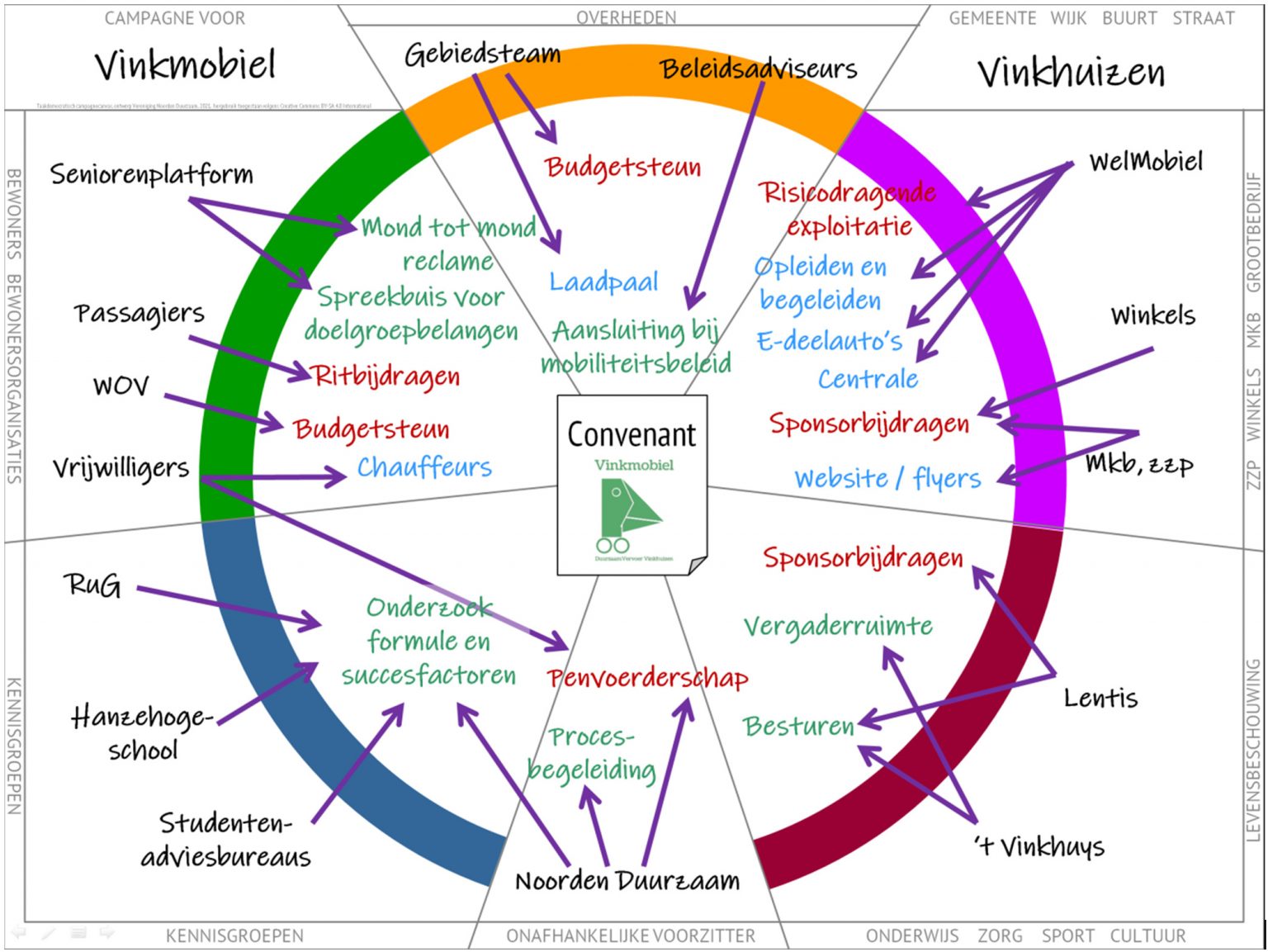
The relevance to task democracy is that one or more scientific panels like RPCC/NN may represent science in a task democratic platform. The choice of panels may depend on the nature of the platform. For instance, in a task democratic chamber of a municipal council (a ‘transition chamber’), three panels may participate, representing social, ecological and economic science. In a task democratic food council, science may berepresented by specialised members of these three panels may participate, or by specialised panels for agriculture and food.
Panel website: https://www.rpccnn.nl